

Food and Accommodation on the EBC Trek
7th Jun, 2026
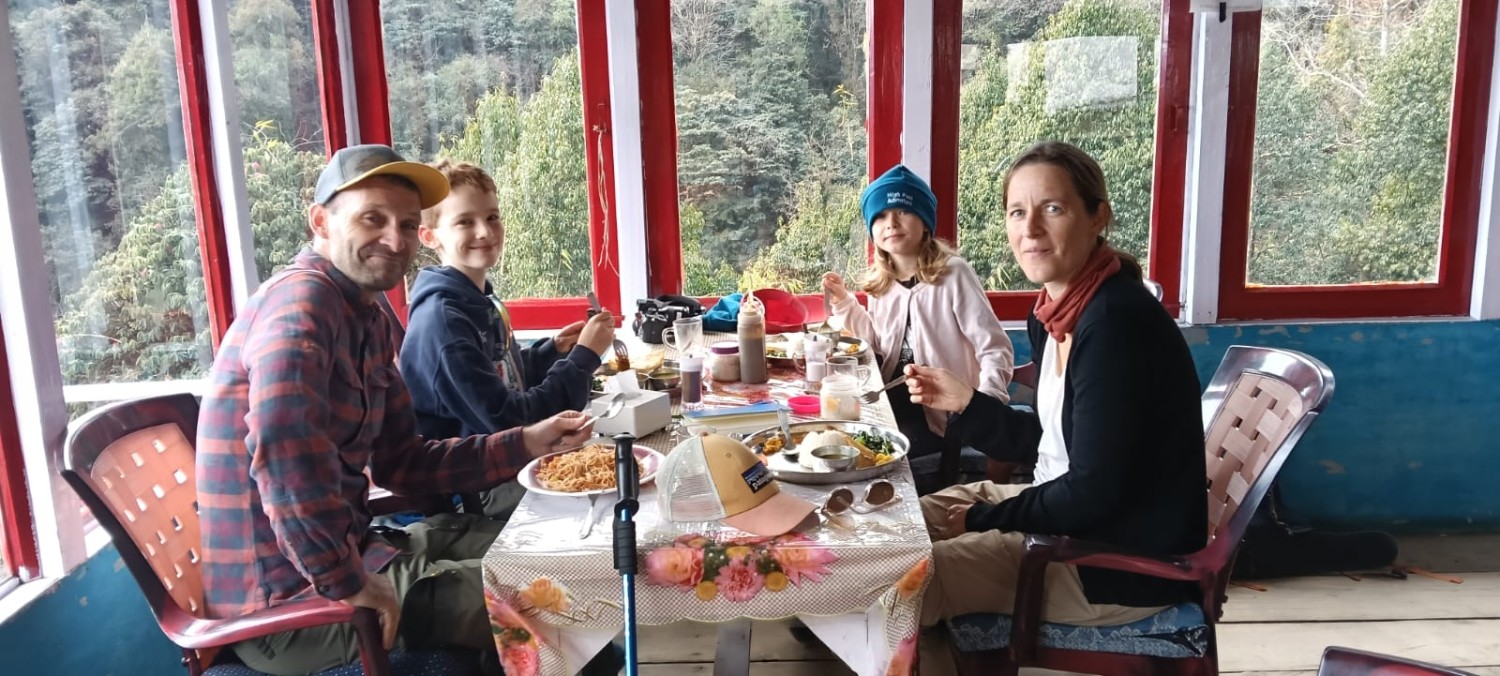
Food and accommodation on the Everest Base Camp Trek offer a wide range of options, from simple local dishes to Western cuisine, and from basic teahouses to more comfortable and luxury accommodations, depending on the package and level of service you choose.
Table of Contents
To complete the Everest Base Camp Trek safely and successfully, it is important to have nutritious food and clean, comfortable accommodation throughout the journey. That is why we carefully select the best available food and lodging options for all trekkers included in our packages. We consistently use the same trusted teahouses at each location because we are familiar with their quality of service and hospitality along the Everest Base Camp trekking route.
While you may find cheaper trekking packages, we prioritize quality and comfort by providing better accommodation, hygienic meals, and reliable services. Every year, more than 100 trekkers choose to trek with us and successfully complete the Everest Base Camp Trek. Our commitment to comfortable accommodations, healthy food, proper acclimatization, and professional support helps ensure a safe and enjoyable trekking experience.
Where to Stay: Accommodation on the Everest Base Camp Trek
During the Everest Base Camp Trek, trekkers stay in teahouses after each day's walk. These teahouses provide basic but comfortable accommodation and a warm, welcoming atmosphere along the trekking route.
In our Everest Base Camp Trek package, accommodation in Lukla, Phakding, and Namche Bazaar includes rooms with attached bathrooms. In higher-altitude villages, accommodation is more basic, with shared toilet and bathroom facilities. Each room is typically equipped with a comfortable mattress, bed sheets, pillows, and a blanket.
As temperatures can drop significantly at higher elevations, we highly recommend bringing a warm sleeping bag for additional comfort during the trek. Our carefully selected teahouses are known for their cleanliness, hospitality, and reliable service, helping to ensure a comfortable and enjoyable trekking experience. Please find below the teahouse accommodations arranged for each overnight stop during the Everest Base Camp trek.
Teahouse Accommodation in Phakding
Most trekkers spend their first night in Phakding after flying from Kathmandu to Lukla. The walk from Lukla to Phakding typically takes around 3–5 hours.
Phakding is a relatively large village with approximately 20–25 teahouses and lodges that provide accommodation for trekkers. There are sufficient lodging options available, even during the peak trekking seasons. Accommodation ranges from basic teahouses to more comfortable and luxury lodges, with room rates generally ranging from NPR 500 to USD 200 per night.
For our guests, we provide rooms with attached bathrooms whenever available. You can also enjoy a hot shower in your room's private bathroom.
Teahouse Accommodation in Namche Bazaar
The second night of the trek is usually spent in Namche Bazaar, the largest town in the Everest region. There are approximately 45–50 teahouses, lodges, and luxury hotels that provide accommodation for trekkers.
Although Namche Bazaar offers a wide range of accommodation options, it can be difficult to find available rooms during the peak trekking seasons. Most trekkers spend three nights in Namche Bazaar during their journey—two nights while ascending for acclimatization and one night on the return trek. Therefore, it is highly recommended to book accommodations in advance.
Accommodation costs in Namche Bazaar generally range from NPR 500 to USD 200 per room per night, depending on the standard and facilities offered. Guests can choose accommodations according to their budget. For our clients, we arrange the best available rooms with attached bathrooms whenever possible, especially since you will spend two nights here during the ascent. However, in some lodges, the hot shower facility may be located outside the room and shared with other guests if the attached bathroom facilities are not fully operational.
Teahouse Accommodation in Tengboche and Deboche
On the fourth night of the trek, trekkers usually stay in either Tengboche or Deboche, which are located about 30 minutes apart on foot. Most trekkers prefer to stay in Tengboche because of its famous monastery and spectacular views of Mount Everest, Ama Dablam, and other surrounding peaks. However, accommodation in Tengboche is limited, with only around five teahouses available. During the busy trekking seasons, rooms often fill up quickly, and trekkers may need to stay in Deboche instead.
Deboche is a quieter and more peaceful village located just below Tengboche. There are approximately six teahouses in Deboche, offering comfortable accommodation for trekkers. Compared to Namche Bazaar, the accommodation facilities are more basic; however, they are clean, cozy, and suitable for an overnight stay.
During the peak trekking seasons, accommodations in both Tengboche and Deboche can become fully booked, so advance reservations are highly recommended.
For our guests, we usually arrange accommodation in Deboche, where we select the best available teahouse to ensure a comfortable stay while enjoying the beautiful mountain scenery and peaceful atmosphere of the Everest region.
Teahouse Accommodation in Dingboche
On the fifth and sixth nights of the Everest Base Camp Trek, trekkers usually stay in Dingboche for acclimatization before continuing to higher elevations. Dingboche is one of the largest villages in the upper Everest region and serves as an important stop for trekkers and climbers heading to Everest Base Camp and other nearby peaks.
In Dingboche, there are approximately 25 teahouses and lodges offering a range of accommodation options for trekkers. Although the facilities are more basic than those in Namche Bazaar, the teahouses are comfortable, clean, and well-equipped for an enjoyable stay at high altitude. Most rooms are twin-sharing, with either shared or attached bathroom facilities depending on the lodge. The cost of a room generally ranges from NPR 1,000 to NPR 1,500 per night.
During the peak trekking seasons, accommodation can become very busy, especially since most trekkers spend two nights in Dingboche for acclimatization. Therefore, advance reservations are highly recommended.
For our guests, we arrange the best available teahouse accommodation to ensure a comfortable and warm stay during the acclimatization period while enjoying the magnificent views of the surrounding Himalayan peaks and the beautiful landscapes of the Everest region.
Teahouse Accommodation in Lobuche
On the seventh night of the Everest Base Camp Trek, trekkers usually stay in Lobuche before continuing to Gorak Shep and Everest Base Camp. Located at an altitude of 4,950 meters (16,207 feet), Lobuche is one of the highest overnight stops on the Everest Base Camp trek.
There are approximately nine teahouses and lodges in Lobuche, providing accommodation for trekkers during the trekking season. Due to its remote location and high altitude, the facilities are more basic than those found in lower villages such as Namche Bazaar and Dingboche. However, the teahouses are clean, comfortable, and suitable for an overnight stay.
Most rooms are twin-sharing with shared bathroom facilities. The cost of a room generally ranges from NPR 1,000 to NPR 2,000 per night, depending on the lodge and the trekking season.
During the peak trekking seasons, Lobuche can become very busy as all trekkers heading to Everest Base Camp pass through this village. This includes trekkers coming via the Cho La Pass from Dzongla, those crossing the Kongma La Pass, and others following the classic Everest Base Camp route from Dingboche or Pheriche. Therefore, advance reservations are highly recommended.
For our guests, we arrange the best available teahouse accommodation in Lobuche to ensure a comfortable and warm stay before continuing the journey to Everest Base Camp.
Teahouse Accommodation in Gorak Shep
On the eighth night of the Everest Base Camp Trek, trekkers usually stay in Gorak Shep before or after visiting Everest Base Camp and Kala Patthar. Located at an altitude of 5,180 meters (16,942 feet), Gorak Shep is the last settlement on the Everest Base Camp trail.
There are only five teahouses and lodges in Gorak Shep, offering very basic accommodation for trekkers. Due to its extremely high altitude and remote location, the facilities are limited compared to lower villages such as Lobuche and Dingboche. However, the teahouses are generally clean and provide the necessary shelter for an overnight stay. During the busy trekking season, some individual trekkers may need to sleep in the dining hall.
Most rooms are twin-sharing with very basic shared bathroom facilities. The cost of a room generally ranges from NPR 1,000 to NPR 2,000 per night, depending on the lodge and trekking season.
During the peak trekking seasons, Gorak Shep can become fully occupied as all trekkers heading to Everest Base Camp and Kala Patthar pass through this village. Therefore, advance reservations are highly recommended.
For our guests, we arrange the best available teahouse accommodation in Gorak Shep to ensure a safe and as comfortable stay as possible before or after visiting Everest Base Camp and Kala Patthar.
Teahouse Accommodation in Pheriche
Pheriche is a popular stop on the return journey from Gorak Shep after visiting Everest Base Camp and Kala Patthar. Located at an altitude of approximately 4,240 meters (13,911 feet), it is a relatively wide and open valley with beautiful views of the surrounding Himalayan peaks.
There are around 15–18 teahouses and lodges in Pheriche, offering a range of accommodation options for trekkers. Compared to higher-altitude villages such as Lobuche and Gorak Shep, the facilities here are more comfortable and better equipped, although still simple in nature.
Most rooms are twin-sharing with shared bathroom facilities. The cost of accommodation generally ranges from NPR 1,000 to NPR 1,500 per night, depending on the lodge and trekking season.
During the peak trekking seasons, Pheriche can become busy, as many trekkers stay here during their descent. Therefore, advance reservations are highly recommended.
For our guests, we arrange the best available teahouse accommodation in Pheriche to ensure a comfortable and restful stay while enjoying the peaceful mountain environment and excellent views of Ama Dablam and the surrounding peaks.
Teahouse Accommodation in Lukla
Lukla is the gateway to the Everest region and the starting and ending point of the Everest Base Camp Trek. Most trekkers spend the night here after completing the trek in order to catch an early morning flight to Kathmandu. Located at an altitude of approximately 2,800 meters (9,383 feet), Lukla is a small but busy mountain town with a wide range of facilities for trekkers.
There are many teahouses, lodges, and hotels in Lukla, offering basic to comfortable accommodation options for trekkers. Compared to higher-altitude villages along the trail, Lukla provides the most developed facilities, including private rooms, attached bathrooms in some lodges, restaurants, bakeries, and Wi-Fi services.
Most rooms are twin-sharing, and both budget and luxury options are available depending on preference. The cost of accommodation generally ranges from NPR 1,000 to NPR 3,000 per night, depending on the standard of the lodge and the trekking season.
During the peak trekking seasons, Lukla can become very busy due to flight delays and the large number of trekkers arriving or departing. Therefore, advance reservations are highly recommended, especially for the return journey after completing the trek.
For our guests, we arrange the best available teahouse or lodge accommodation in Lukla to ensure a comfortable stay before or after the Everest Base Camp Trek.
Luxury Lodge and Hotel Accommodation on the Everest Base Camp Trek
Along the Everest Base Camp Trekking trail, there are several lodges and hotels that offer luxury accommodation at premium cost in places such as Lukla, Phakding, Monjo, Namche Bazaar, Everest View Point, and Deboche. These luxury lodges provide high-end amenities such as en-suite bathrooms, heated rooms, gourmet meals, and personalized service.
For trekkers who want adventure combined with added comfort, luxury lodges on the Everest Base Camp Trek offer the perfect balance of both. The cost of luxury accommodation is approximately USD 180 to USD 280 per room per night, which is significantly higher compared to basic teahouse accommodation.
These expensive stays are ideal for families, elderly travelers, or anyone looking for a more relaxed and premium trekking experience during the Everest Base Camp Trek.
Food on the Everest Base Camp Trek
Food along the Everest Base Camp Trek is primarily provided by teahouses, lodges, small tea shops, and restaurants. Each teahouse, lodge, and restaurant offers a wide variety of meals, including delicious, warm, nutritious, and satisfying options. You can choose food from the menu based on your preferences, such as Nepali, local, or Western dishes.
Normally, some teahouses in lower-altitude areas are run by families, and family members often have basic training in cooking. Some teahouses also hire specialized and experienced cooks from lower regions. Generally, the cooks are trained and prepare all the food ordered by trekkers. However, the taste of the food may differ from Western cuisine.
Fresh meat is difficult to find above Namche in the Everest region due to its remote location, as meat must be transported from Kathmandu or from areas below Lukla. Therefore, it is advisable to follow a vegetarian diet during the Everest Base Camp Trek.
As a general rule, you are expected to have your meals at the same teahouse where you stay overnight during the Everest Base Camp Trek. Food and accommodation costs are interconnected. Typically, a meal costs around NPR 800–1,000, while accommodation costs range from NPR 500–1,000 per night. Teahouses generally expect guests to spend approximately NPR 2,000–3,000 per night on food and lodging combined. Therefore, if you choose to eat at a different teahouse or restaurant instead of the one where you are staying, you may be required to pay additional charges, and your accommodation cost may increase.
Breakfast Options on the Everest Base Camp Trek
Porridge: Oatmeal or other grain-based porridge prepared with water or milk. Seasonal fruits can be added upon request, or it can be enjoyed with sugar or honey.
Muesli or Cornflakes: Served with hot or cold milk.
Bread: Tibetan bread, chapati, or toast served with jam, honey, peanut butter, or cheese.
Eggs: Available boiled, scrambled, fried, or as an omelet with vegetables.
Pancakes: Pancakes made from wheat or buckwheat flour, often served with honey, jam, chocolate spread, or fresh fruit when available.
Tea and Coffee: Choose from local milk tea, black tea, green tea, instant coffee, lemon tea, lemon-ginger-honey tea, and various herbal infusions.
Set Breakfast: Most teahouses and lodges offer a set breakfast that typically includes eggs, bread, potatoes, and tea or coffee. The exact menu may vary depending on the location and the teahouse.
Lunch and Dinner Items on the Everest Base Camp Trek
Dal Bhat: Nepal's traditional meal consisting of rice, lentil soup (dal), vegetable curry, pickles, and sometimes meat. It is highly recommended for trekkers because it provides balanced nutrition and long-lasting energy. Most teahouses offer unlimited refills, making it an excellent choice during the trek.
Noodles: Available as fried noodles, noodle soup, or Thukpa, a traditional Tibetan noodle soup.
Rice Dishes: Fried rice with vegetables, eggs, or meat, as well as plain rice served with various curries.
Momos: Traditional Nepali dumplings filled with vegetables, cheese, or meat, served either steamed or fried according to trekkers' preferences.
Pizza: Himalayan-style pizzas usually feature a thick crust and simple toppings. While different from Western-style pizzas, they provide a delicious and filling meal at high altitude.
Pasta: Simple pasta dishes such as spaghetti or macaroni, served boiled or fried with a variety of locally prepared sauces.
Soups: A wide selection of soups is available, including vegetable soup, garlic soup (popular among trekkers at high altitude), tomato soup, potato soup, onion soup, and many others.
Potato Dishes: Potatoes are one of the most common foods along the trekking route. Teahouses offer a variety of potato-based dishes, including boiled potatoes, French fries, fried potatoes, potato curry, and other local preparations.
Spring Rolls: Crispy rolls stuffed with vegetables, egg, noodles, or chicken, and deep-fried until golden brown. Served with potato chips, they make a light and tasty lunch option.
These meals provide trekkers with the energy and nutrition needed for the challenging journey to Everest Base Camp while offering a mix of Nepali, Sherpa, Tibetan, and international flavors.
Traditional Local Food and Drinks on the Everest Base Camp Trek
During the Everest Base Camp Trek, you can enjoy a variety of traditional Sherpa and Himalayan foods and drinks.
One of the most popular local dishes is Shyakpa, also known as Sherpa stew. This hearty meal is prepared with a variety of local ingredients, including homemade pieces of bread, vegetables, potatoes, radish, and meat, all cooked together in a rich soup. It is an excellent choice for lunch or dinner, especially in the cold mountain temperatures.
Another traditional dish is Tsampa porridge, which is made from roasted barley or wheat flour. The grains are roasted before being ground into flour and are typically served with hot water, milk, or tea. Tsampa has been a staple food in the Himalayan region for generations and provides excellent energy for trekking.
A popular local drink is Su Cha (salt tea), also known as Tibetan butter tea. It is made by blending tea with butter and salt, creating a warm and nourishing beverage that helps trekkers stay energized in the high-altitude environment.
You can also try Tingmo, a traditional steamed bread made from wheat flour. It is usually served with local sauces or curries and is a favorite accompaniment to many Himalayan meals.
These traditional foods and drinks offer a unique cultural experience and are highly recommended during your Everest Base Camp adventure.
Bakeries on the Everest Base Camp Trek
Along the Everest Base Camp Trek, there are many bakeries located in villages such as Lukla, Phakding, Namche Bazaar, Kyanjuma, Tengboche, Pangboche, Dingboche, and Lobuche.
These bakeries offer a wide variety of freshly baked items, ranging from local specialties to Western-style pastries, breads, cakes, cookies, and desserts. During the trek, hikers can enjoy these delicious baked goods as a welcome change from the regular trekking meals.
Stopping at one of the bakeries for a hot drink and a fresh pastry is a memorable experience and a great way to relax after a long day of walking. The bakeries along the Everest Base Camp route have become a favorite attraction for trekkers from around the world, adding comfort and enjoyment to the trekking experience.
How Is Food Transported to High-Altitude Teahouses on the Everest Base Camp Trek?
Transporting food and supplies to high-altitude areas such as the Everest Base Camp Trek is a major logistical challenge. As a result, food prices in the Everest region are much higher than in cities and road-accessible areas.
When you reach Everest Base Camp, you may wonder how food and other supplies are carried to such remote and high-altitude locations. A significant portion of the food cost goes toward the transportation of supplies by porters, yaks, and other means of transport.
Below Namche Bazaar (3,440 m), food and supplies are mainly transported by mules and local porters. They carry fresh vegetables, rice, meat, eggs, dairy products, bread, soft drinks, and even imported goods from lower regions.
Above Namche Bazaar, the supply chain relies almost entirely on yaks and strong local porters. These animals and workers transport essential supplies to villages along the trekking route, often under difficult mountain conditions.
Above Dingboche (4,410 m), fresh vegetables become increasingly rare and expensive due to the challenges of transportation. In remote locations such as Lobuche and Gorak Shep, some teahouses occasionally receive supplies by helicopter. These are not usually special cargo flights; instead, helicopters that are flying empty to higher villages to pick up passengers or return from rescue operations may carry food and other essential supplies on their way up.
The effort required to transport food to these high-altitude settlements is one of the main reasons why meals and drinks become more expensive as you ascend toward Everest Base Camp.
Food to Avoid at High Altitude on the Everest Base Camp Trek
When trekking to higher elevations such as Everest Base Camp, it is important to know which foods and drinks should be avoided to reduce the risk of altitude sickness and other health problems. High altitude affects how your body processes food, and certain items can increase the chances of illness or worsen altitude-related symptoms.
For this reason, trekkers are advised to avoid the following:
- Meat dishes (chicken, buff/water buffalo, and yak) above Namche Bazaar. Since fresh meat is difficult to transport to higher elevations, these products may not always be fresh and can increase the risk of stomach problems.
- Commercial baked goods and pre-packaged sandwiches, which may have been transported over long distances and stored for extended periods.
- Alcoholic beverages, as they can worsen dehydration, disrupt sleep, and reduce your body's ability to acclimatize properly to higher altitudes.
- Excessive coffee and caffeine consumption, which may contribute to fluid loss at a time when maintaining proper hydration is essential.
Instead, it is recommended to choose freshly prepared meals, drink plenty of water, and focus on carbohydrate-rich foods that provide energy and are easier to digest at high altitude. Making smart food choices can help improve your trekking experience and support a safer acclimatization process on the Everest Base Camp Trek.
Are you interested on any of your travel serveices?
Make Inquiry NowRecent From Blog
15th Jun, 2023
21st Feb, 2021
28th Feb, 2018
5th Sep, 2023

13th May, 2019
19th Feb, 2019
8th Feb, 2021
21st Jan, 2021
29th Jul, 2020
3rd May, 2019
30th Apr, 2020

3rd Apr, 2020
17th Jul, 2020
26th Mar, 2020
31st Mar, 2020
19th Jun, 2023
11th Feb, 2020
11th Mar, 2020
27th Sep, 2019
17th May, 2019
26th Jul, 2020
6th May, 2019
5th Mar, 2019
7th Mar, 2020
18th Feb, 2019
12th Sep, 2019

27th Mar, 2018
27th Mar, 2019
2nd Mar, 2019
16th Jan, 2019

1st Jul, 2023
5th Jul, 2023

5th Jul, 2023

5th Jul, 2023

5th Jul, 2023
5th Dec, 2019
6th Jan, 2019
28th Feb, 2018
9th Dec, 2018
11th Dec, 2018

5th Oct, 2023

3rd Jan, 2024
.jpg)
27th Jan, 2024
29th Jan, 2024
19th Jan, 2025

7th Feb, 2025

17th Feb, 2025
9th Mar, 2025

15th Mar, 2025

18th Mar, 2025

23rd Mar, 2025

25th Mar, 2025

26th Mar, 2025

24th Apr, 2025

21st May, 2025

21st May, 2025

22nd Jun, 2025

22nd Jun, 2025
4th Jul, 2025

14th Jul, 2025

14th Sep, 2025
26th Sep, 2025
20th Dec, 2025
28th Jan, 2026
17th May, 2026
18th May, 2026
2nd Jun, 2026
7th Jun, 2026
9th Jun, 2026
13th Jun, 2026
14th Jun, 2026
2nd Jul, 2026
7th Jul, 2026
16th Jul, 2026
25th Jul, 2026

2nd Aug, 2026
5th Aug, 2026
9th Aug, 2026